
SEN & INCLUSION
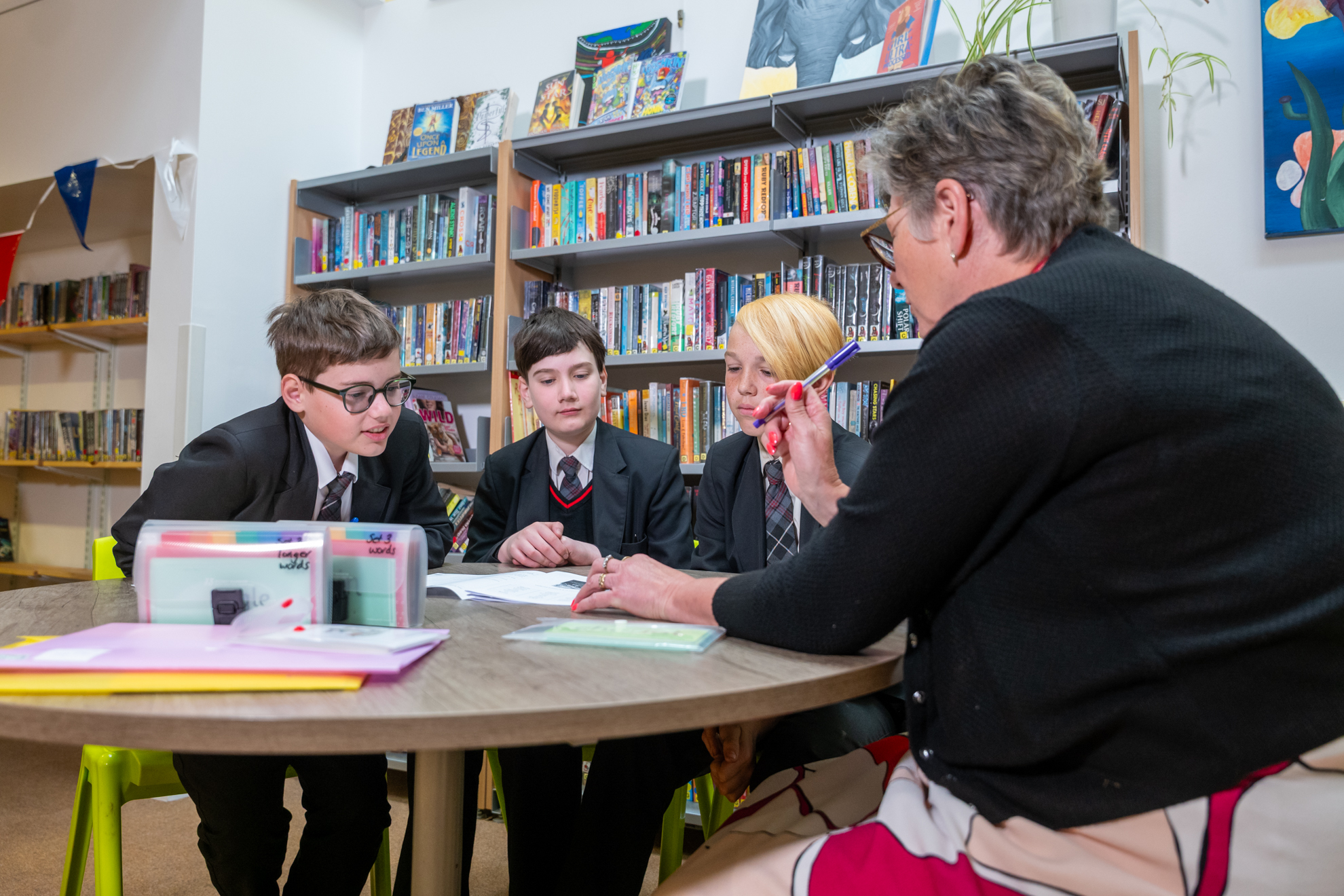
Every learner included. Every learner supported.
At Brannel School, we are committed to providing an inclusive education where every learner feels seen, valued and empowered to thrive.
We recognise that every learner is different. Our approach combines high-quality teaching, appropriate adaptations and targeted support to help learners overcome barriers to learning and achieve their potential.
Every teacher at Brannel is a teacher of Special Educational Needs and Disabilities (SEND). Staff work to provide realistic learning goals, a broad and appropriate curriculum and suitably scaffolded learning that supports progress and raises aspirations.
Through educational, emotional and technical support, we work alongside learners and their families to create a positive learning environment where every learner can learn, achieve and grow – both in school and beyond.
Understanding SEND
Some learners may need additional support with their learning or accessing school life.
A learner may be considered to have SEND if they:
- Find learning harder than most learners of the same age
- Having a disability that makes it more difficult to access school life in the same way as others
We support learners across the four main areas of SEND need:
Communication & Interaction
Speech, language and social communication needs.
Cognition & Learning
Difficulties with thinking, understanding or learning, including dyslexia and dyscalculia.
Social, Emotional & Mental Health
Challenges relating to emotions, behaviour or mental health.
Sensory & Physical Needs
Hearing, vision, physical or sensory processing difficulties.
Inclusive teaching in every classroom
All learners benefit from high-quality teaching in the classroom. Our staff use Learning and Teaching Chronicles to guide our approach to teaching and learning.
Alongside this, our Adaptive Teaching Toolkit (ATT) provides practical strategies to help staff adapt lessons for learners who may need additional support.
This might include:
- Breaking instructions into smaller steps
- Using visual resources
- Adapting learning materials
- Providing additional scaffolding
- Adjusting resources to make learning more accessible
Our Curate and Narrate document provides staff with information about identified barriers to learning and the strategies that work best for individual learners.
Together, these approaches help staff understand individual needs and put appropriate adaptations in place so learners feel included, supported and able to succeed.
Student Success Plans
Every learner with SEND has a Student Success Plan.
These plans are developed collaboratively with the learner, their parents and carers and are reviewed each term. They help identify individual needs, support strategies and appropriate approaches to help each learner make progress.
Our Learning and Teaching Chronicles, Adaptive Teaching Toolkit and Curate and Narrate work together to support teaching that is consistent, inclusive and flexible.
The ARC (Academic Recovery Centre)
The ARC (Academic Recovery Centre) is a specialist support provision at Brannel School for learners with additional needs, including SEND, who may require adjustments to access learning successfully.
The ARC provides a calm, low-stimulus environment where learners can regulate, feel safe and continue their learning in a way that meets their individual needs.
It can support learners who find busy classrooms or unstructured times challenging, helping them remain engaged with education in a positive and supportive environment.
Who can access the ARC?
Learners may use the ARC as part of a planned package of support, including those who:
- Have identified SEND or additional needs
- Require support with emotional regulation or sensory needs
- Are feeling overwhelmed or experiencing heightened anxiety
- Are following a reduced or flexible timetable
- Have specific medical or wellbeing needs
- Are receiving short-term or bespoke interventions
- Require a quieter space during break or lunchtime
- Find it difficult to work in busy environments, including the cover room
Access to the ARC is always planned and purposeful. Parents and staff are informed of arrangements, and use of the ARC is reviewed regularly.
Break & Lunchtime Support
The ARC can also provide support during break and lunchtime for learners who find these periods difficult.
Learners may eat lunch in the ARC and are expected to clear away afterwards. Laptops and iPads are not permitted during these times, helping to encourage appropriate social interaction. Games and quiet activities are available.
The ARC forms part of our commitment to inclusive practice, reasonable adjustments and ensuring that learners feel supported, regulated and ready to learn.
Our Inclusion Team
Working together with families
We believe that parents and carers are experts on their children. By combining their knowledge with our professional expertise, we can develop a clearer understanding of individual needs and provide appropriate support.

SEND enquiries:
brannelsen@brannel.celtrust.org
Young Carers
Supporting learners with caring responsibilities
Young carers are children and young people who have practical and/or emotional caring responsibilities for a family member because of illness, disability, mental health difficulties or addiction.
Caring responsibilities can take many different forms, including:
- Cooking, housework and shopping
- Providing physical or personal care
- Helping with medication
- Managing aspects of the family budget or collecting prescriptions
- Looking after younger siblings
- Providing emotional support
- Interpreting for family members where required
The level of responsibility can vary considerably, but caring responsibilities can have a significant impact on a young person's life.
At Brannel School, we recognise and support learners who have a caring role within their family. Our Young Carers Policy sets out our approach to supporting young carers.
Young Carers Link
Mrs Hunt is our designated Link for Young Carers. She works with relevant staff, families and external agencies to provide support where required.
Where appropriate, Brannel Young Carers can be referred to Kernow Young Carers, through Barnardo's, to access additional support outside of school.
Contact Mrs Hunt:
chunt@brannel.celtrust.org
Drop-in Support
Regular drop-in sessions are available for young carers.
All young carers are welcome, including those who have not attended previously and would like to find out more about the support available.
Further Information
For further information about support available through Kernow Young Carers, please visit the Kernow Young Carers section of the Barnardo's website.
SEND Local Offer
Support across Cornwall
Every local authority must publish a SEND Local Offer providing clear, comprehensive and accessible information about the support and services available to children and young people with SEND and their families.
Cornwall's SEND Local Offer includes information about:
- Educational and alternative provision
- Preparing for adulthood and independent living
- Health provision
- Social care
- SEND services
- Leisure opportunities
- Travel
- Support and guidance
The Local Offer is co-produced with parents and carers, young people and other stakeholders, with feedback used to support the ongoing development of SEND services across Cornwall.
Explore Cornwall's SEND Local Offer → Family Information Service Cornwall
You can also find activities and services for young people with SEND through Cornwall's SEND activities and services directory.
Find SEND activities and services → Synergy - Search By Route
Cornwall SEND Updates
Information for parents, carers and young people
Cornwall Council provides regular updates for parents, carers and young people about SEND services, support and developments across Cornwall.
Families can also sign up to receive these updates directly.
View Cornwall SEND updates → SEND Updates for Parents, Carers and Young People - Cornwall Council
Sign up for SEND updates → Parent / carers sign up form
Additional Support
Gunners Kids
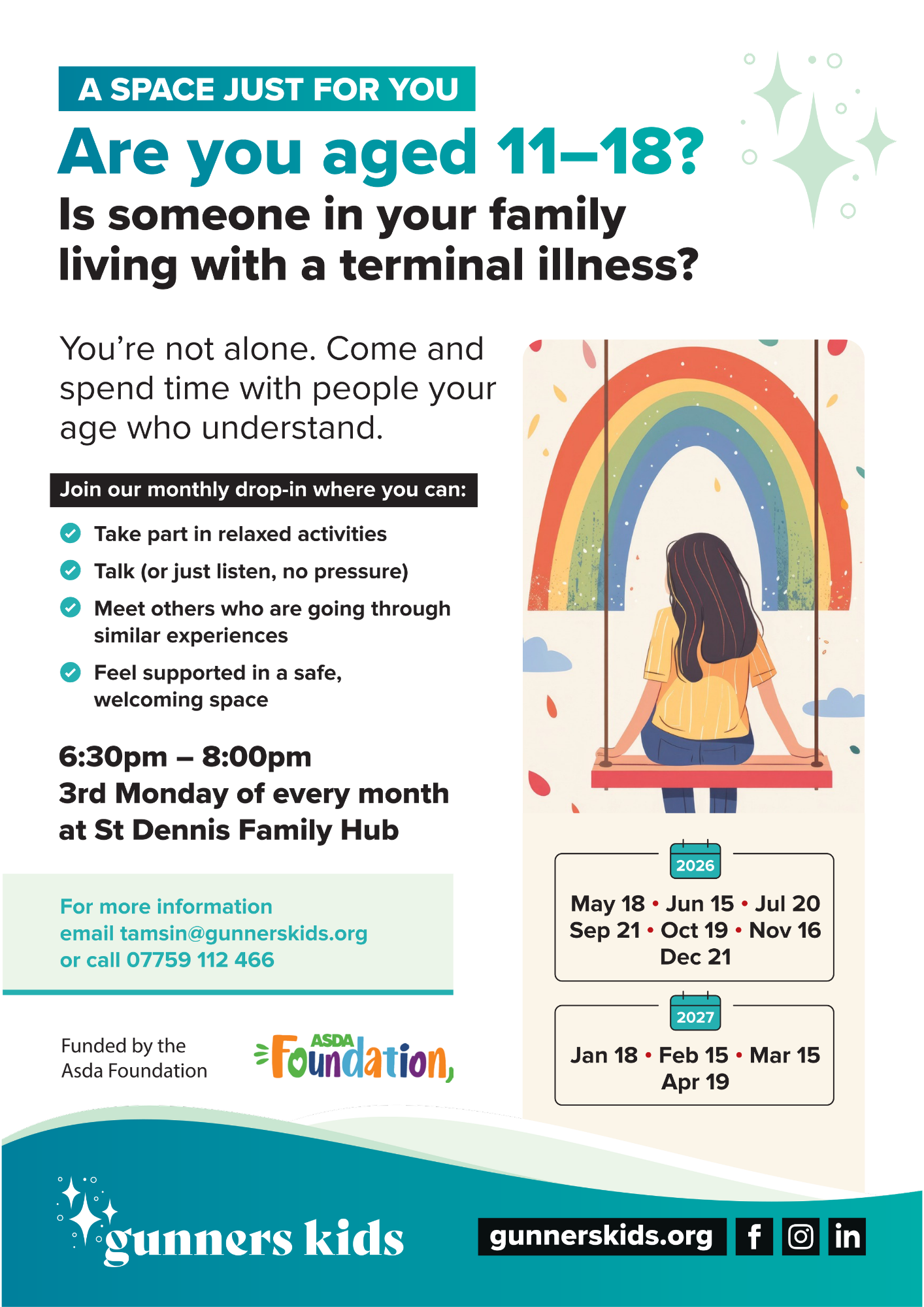
Gunners Kids provides a safe and supportive space for young people aged 11–18 who have a family member living with a terminal illness.
Monthly drop-in sessions provide an informal and welcoming environment where young people can meet others who may be experiencing similar circumstances.
There is no pressure to talk. Young people can simply listen, take part in activities and spend time with people who understand.
Sessions
Third Monday of each month
6:30pm – 8:00pm
St Dennis Family Hub
Visit Gunners Kids → www.gunnerskids.org
Key Documents & Reports
You can find our key SEND and inclusion policies, documents and reports below.
If you have any questions about SEND provision at Brannel School, please contact our Inclusion Team.